bringing music sharing back to spotify
overview
Back to the Future is a Spotify concept worked on by myself and a partner for the 2021 D&AD New Blood Awards. The brief asked us to help Spotify users share the audio that means the most to them, with goals of promoting content sharing and boosting engagement on social feeds. My partner and I responded to the challenge with three features - Boombox, Best Buds, and Anthems - all of which turn one’s music library into a social experience through public stories, private sharing, and personal anthems.
final design
The final concept is composed of three complementary interfaces, each with a different social job. Together, these features evolve Spotify from a streaming utility to a new form of social media.
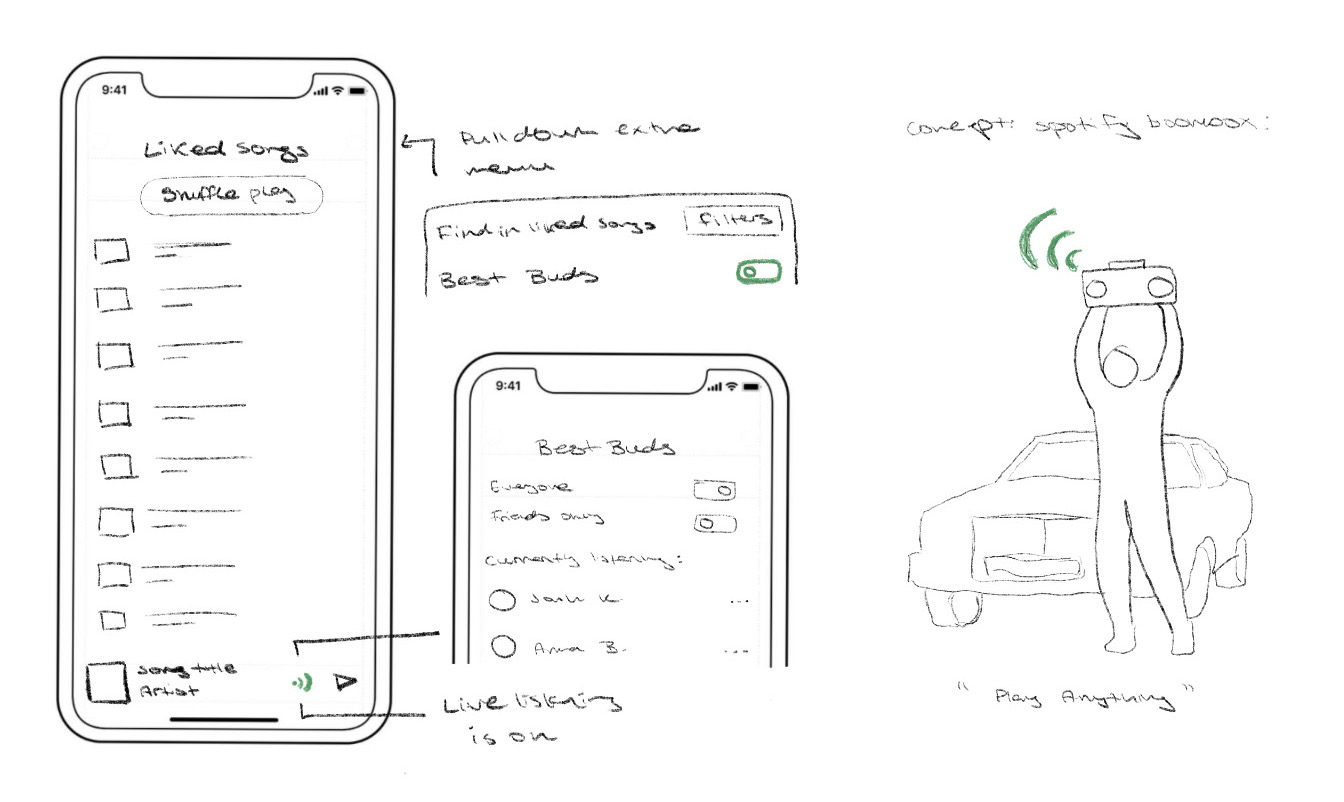
Boombox is a temporary, curated glimpse into your current rotation.
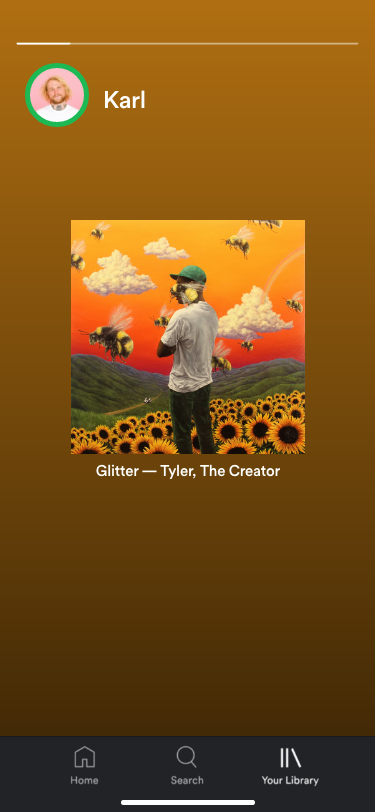
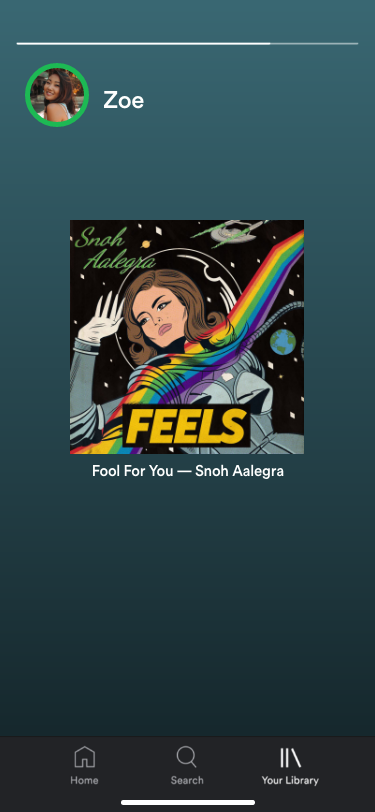
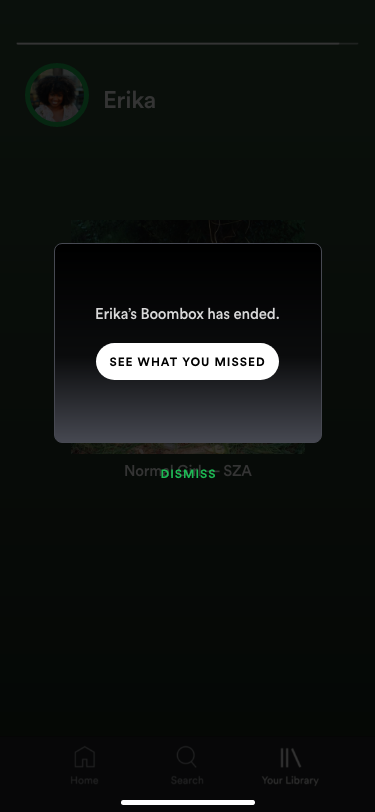
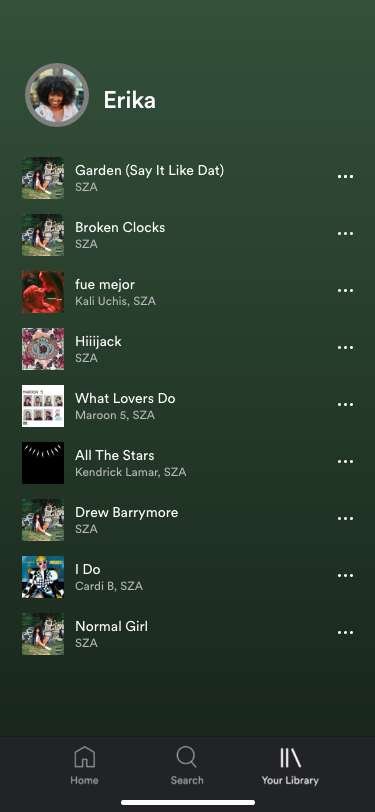
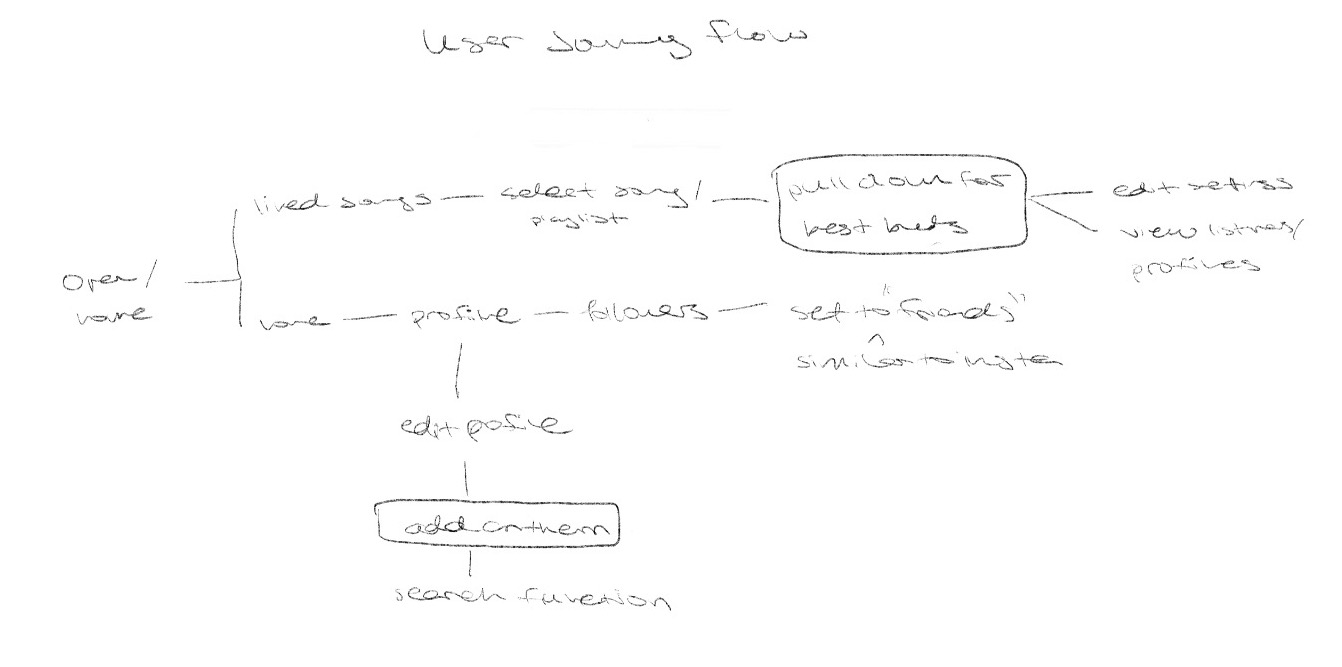
Best Buds offers a portal into the ears of your mutual followers: Toggle Best Buds mode for friends to join you, or grab a bud and listen in to someone else’s tunes.
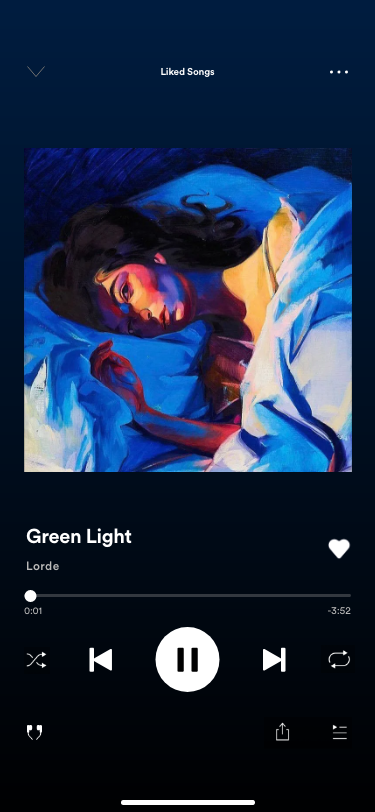
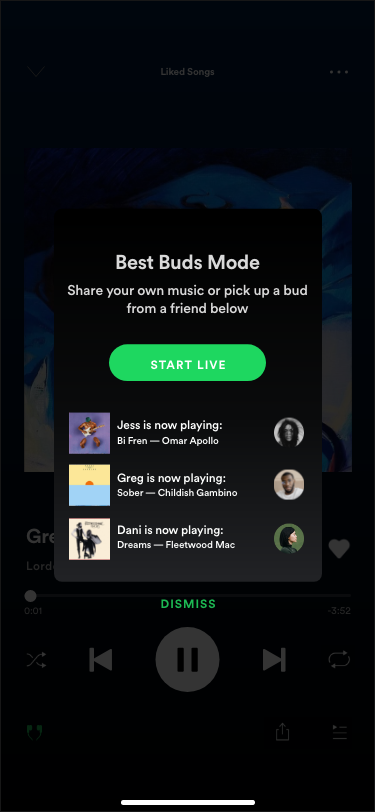
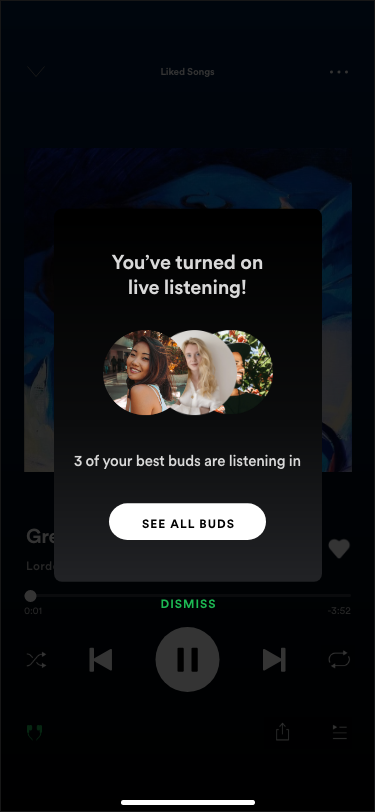
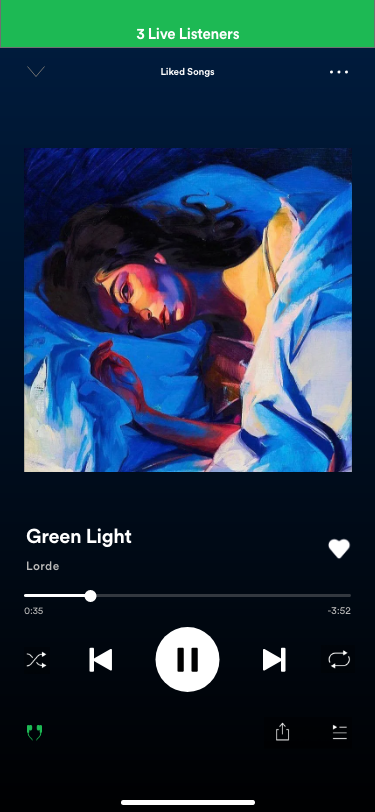
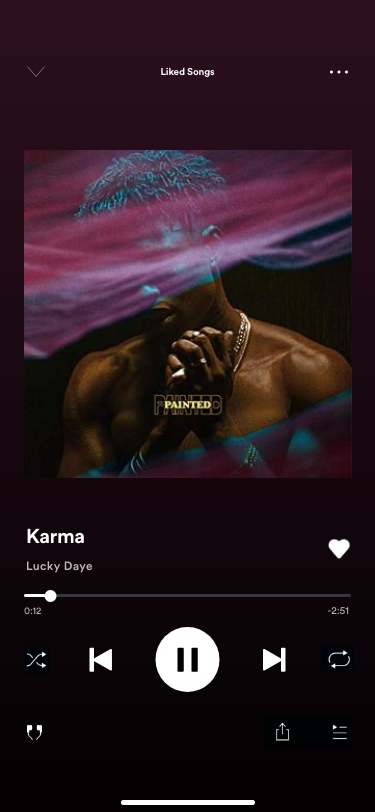
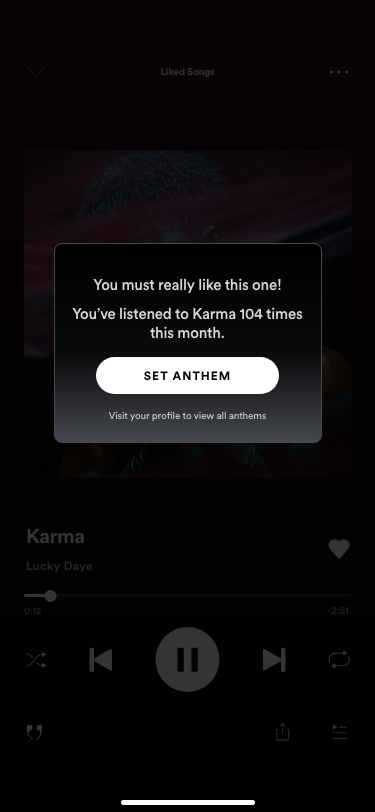
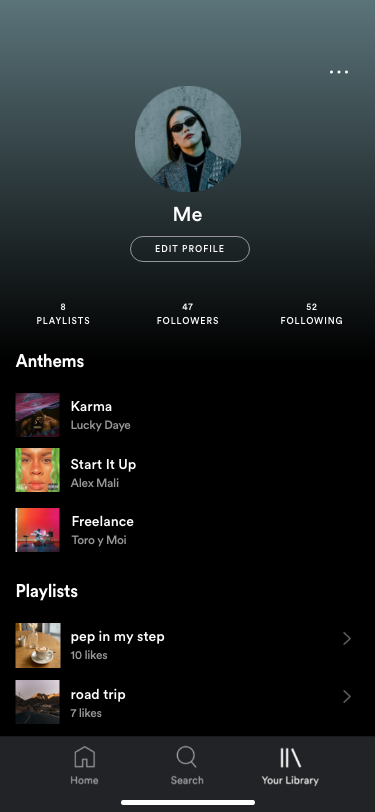
Anthems lets you pin songs to your Spotify profile to let the music do the talking, rather than a bio.
user research
We asked 82 college-aged Spotify users about their listening and sharing habits. Two findings stood out: 85% of respondents were at least somewhat interested in knowing what music their friends are currently listening to, and 67% said they regularly received song suggestions outside of Spotify.
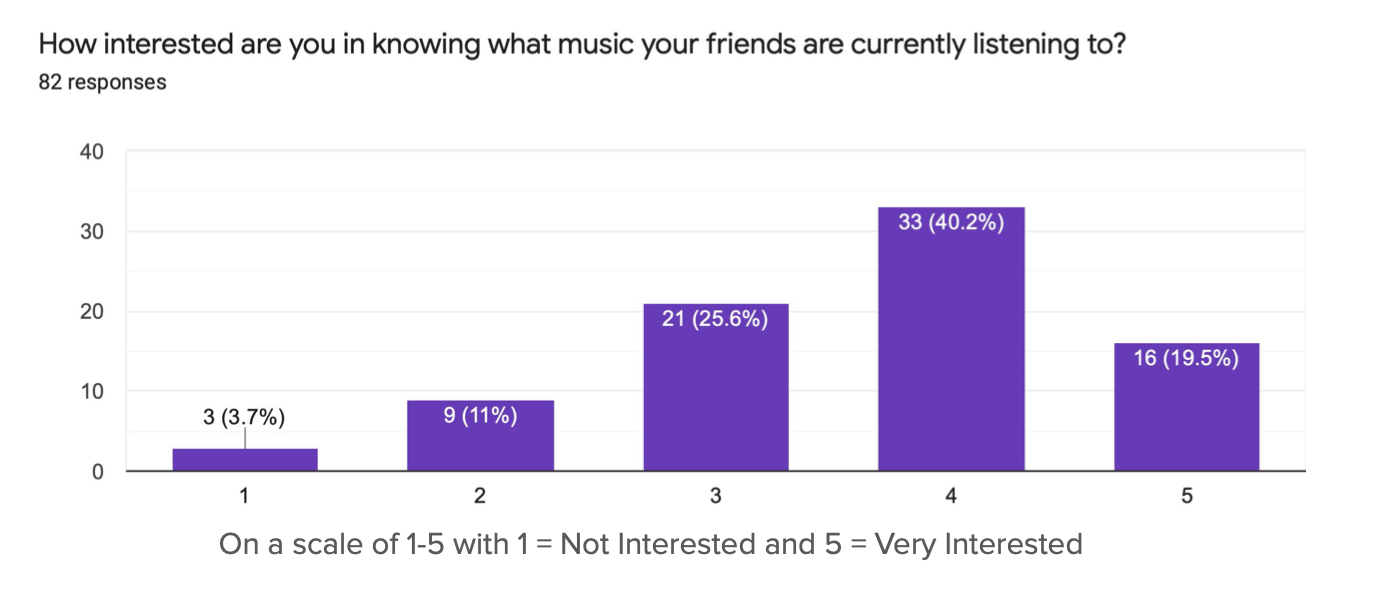
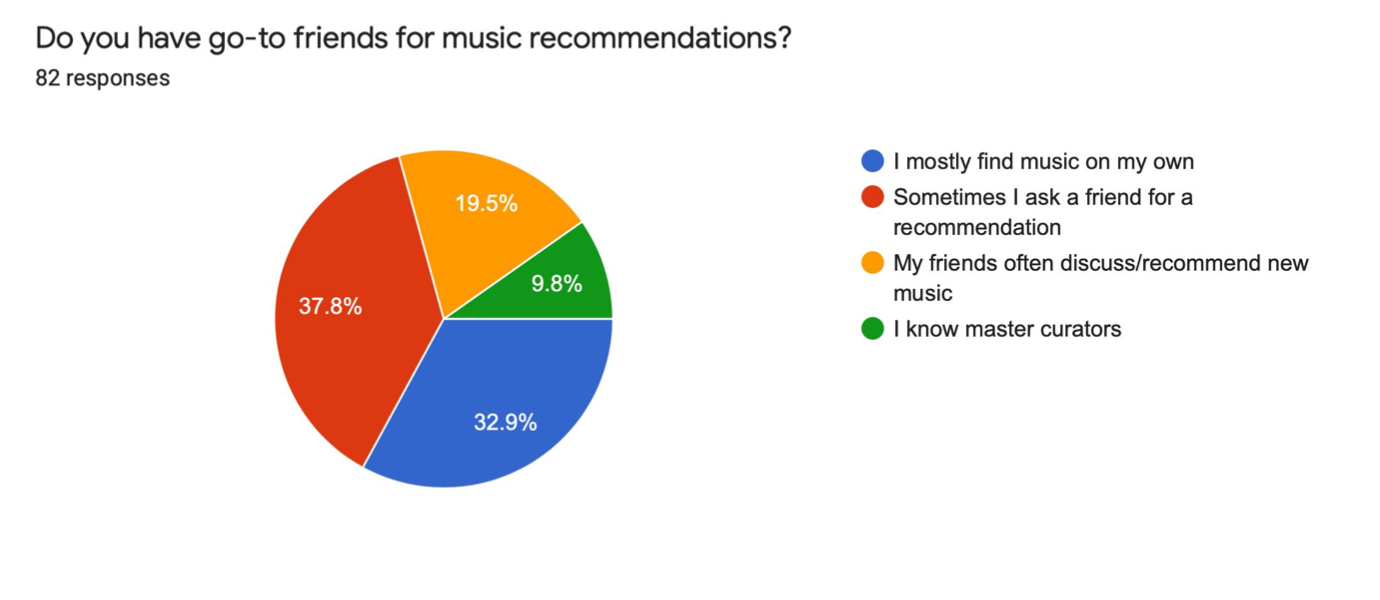
With these results, we identified an opportunity to promote in-app music recommendations between users. The design needed to help people develop their own public identity, build a deeper connection with friends and artists, tap into their personal reach of influence, share content in a simplified process, and join a community of people who love to share music. Success would look like longer times spent browsing the app, more new content consumed, more friends added, more subscribers, more followers for artists, and word-of-mouth buzz on social media.
ideation
Ideation started from behaviors we could already observe. On Instagram, people post Spotify links to stories so followers can see what they’re listening to. Boombox is the solution to keeping these music suggestions in-app. Video platforms offer watch parties for people who are not physically near each other, but still want to enjoy a program together, and Best Buds applies the same pattern with listening parties to connect people around the world. A profile that only lists playlists still hides your music taste, but Anthems makes your identity stand out by pinning songs directly to your page.
conceptual design
reflection
This was my first time working with a partner on a design project in a non-academic setting and under the short D&AD timeline. I learned how to run collaborative brainstorming sessions, give and take honest critique, and make scope decisions with a fixed design window. We planned to test the prototype with the same 82-person survey group, but we did not have time for user testing and consequent design iterations; however, before we ever reached that stage, we learned that the listening was already social, we just needed to make Spotify the place it happened.